
August 2022
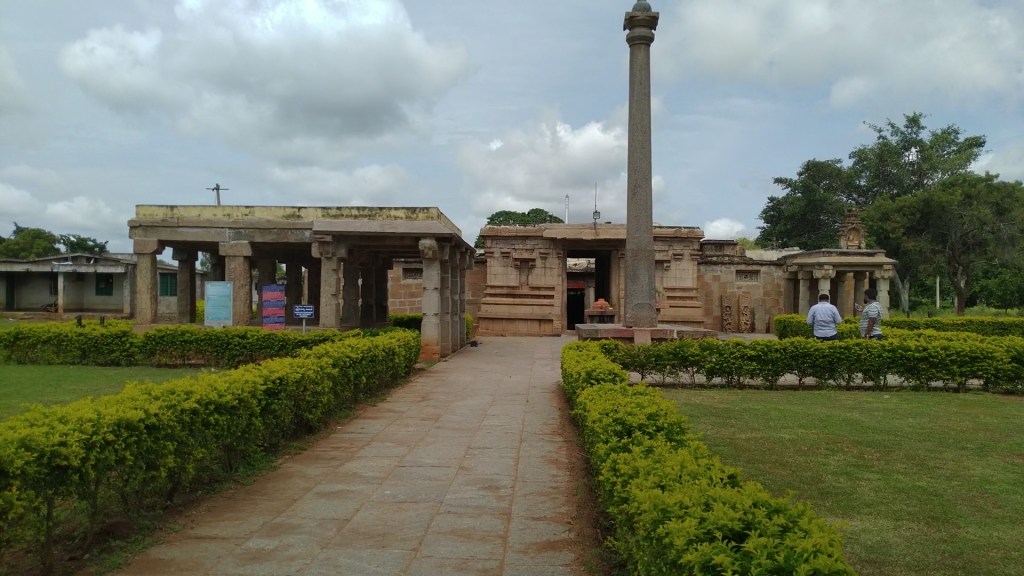
Visited Hoysala temples in and around Mysore, Hassan. The trip started wonderfully. First stop was at Lakshmi Narasimha temple at Marehalli. Witnessed ongoing Abhishek on arrival. Wonderful timing. Milk flowing over the black Swaroop was amazing sight. The temple is ASI (Archaeological Survey of India) maintained 1000-year-old temple. Few images below.
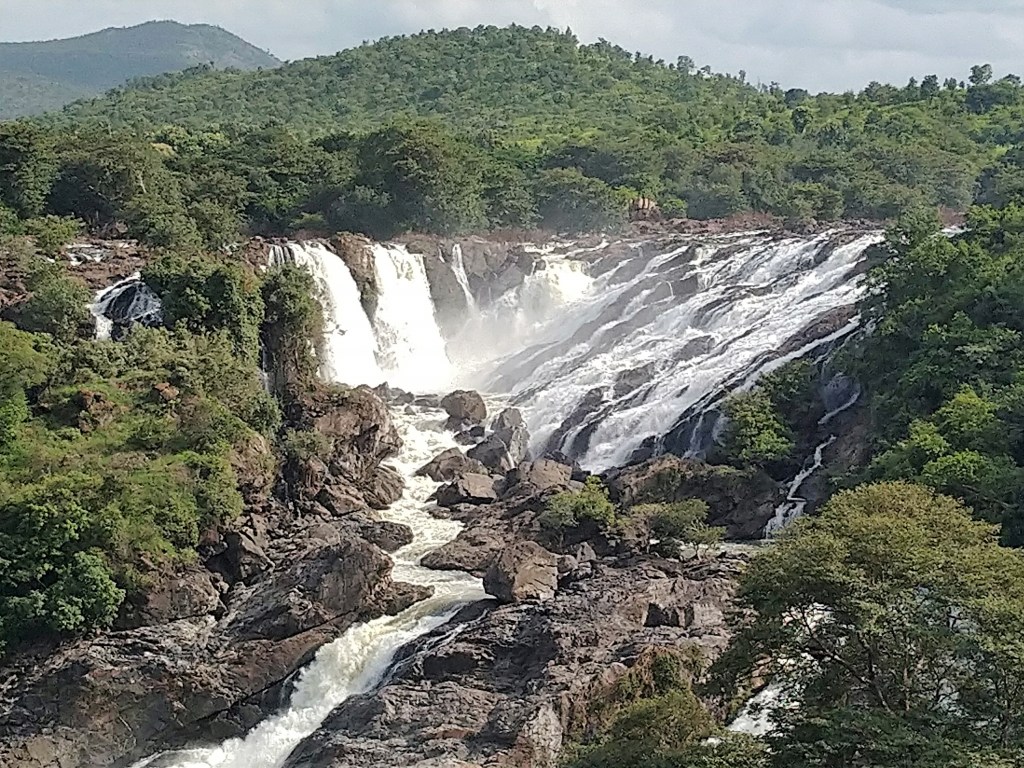
Next Visited Gaganchukki Waterfall and the Barachukki Waterfalls. Mesmerising sights. The Cauvery River branches into two parts with a large island in between. On west side of the island is the Barachukki falls and on the east side is the Gaganchukki falls. Stayed at KSTDC Mayura Hotel in the Shivanasamudra island area. Genuinely nice and clean place. Food was good too at the hotel. Walked to the river through the fields in about 10 mins and enjoyed sitting on the rocks for a few minutes in the morning. Few images below.

Visited Talakadu next. Area where river Cauvery turns right angle. Leaves a lot of sand on the banks of the river. As the legend goes, a queen of Srirangapatna kingdom cursed the Wodeyers and Talakadu because Wodeyars took advantage of her misfortune. The curse mentions that Talakadu will turn into city of sand and that Wodeyars will not have male heirs. Detailed story can be accessed easily on internet and finds a mention in the book on Mysore by a famous author.
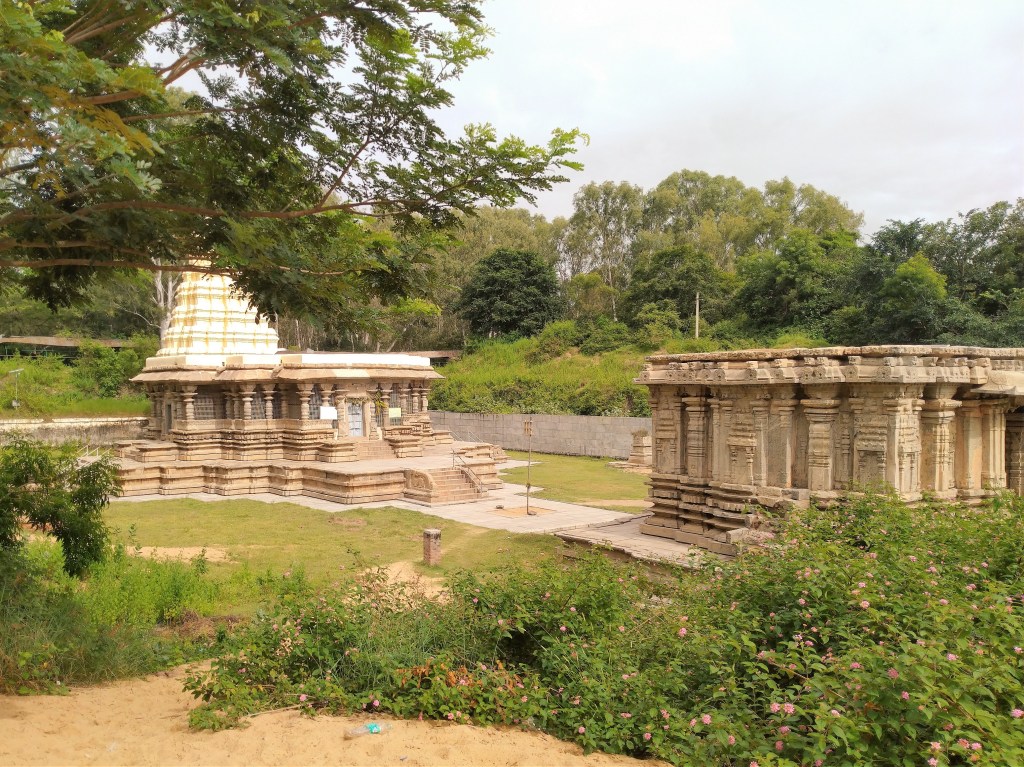
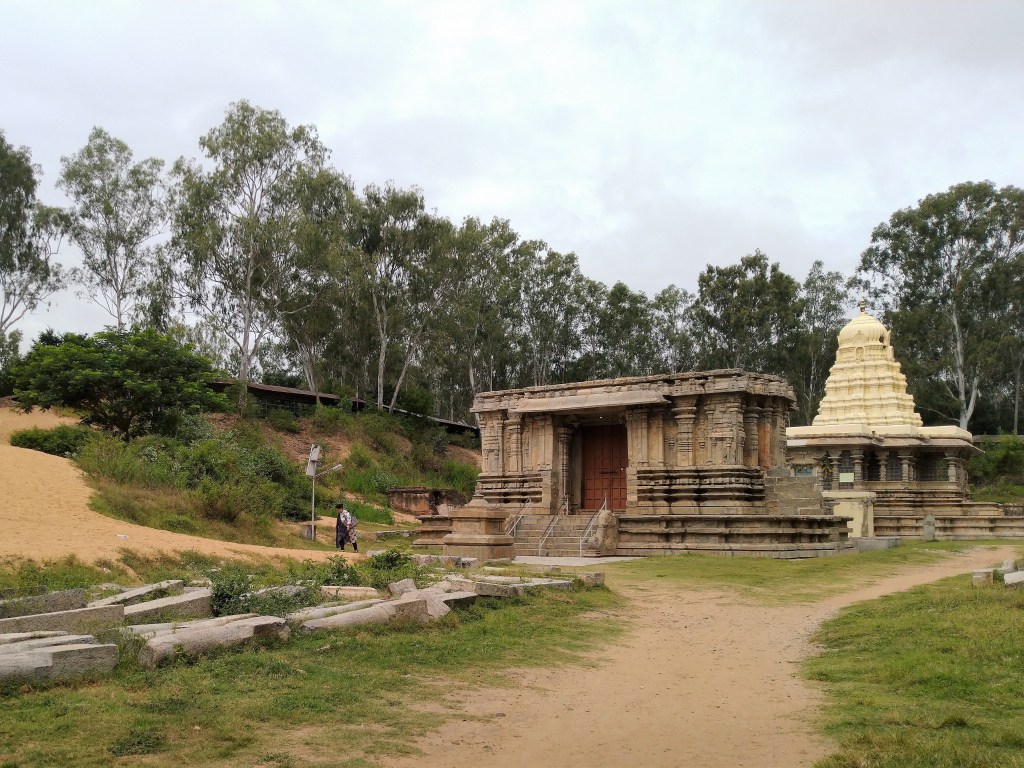
Saw four old temples excavated from sand on Cauvery River bank. Oldest temple is about 900+ years old. The Kirtinarayana temple, the Vaidyanatheeshwara temple, the Mallikarjuna temple and Pataleshwara temple. One can make out that three of the four temples have been excavated from the sands based on the plinth levels of the temples. Few pictures below.
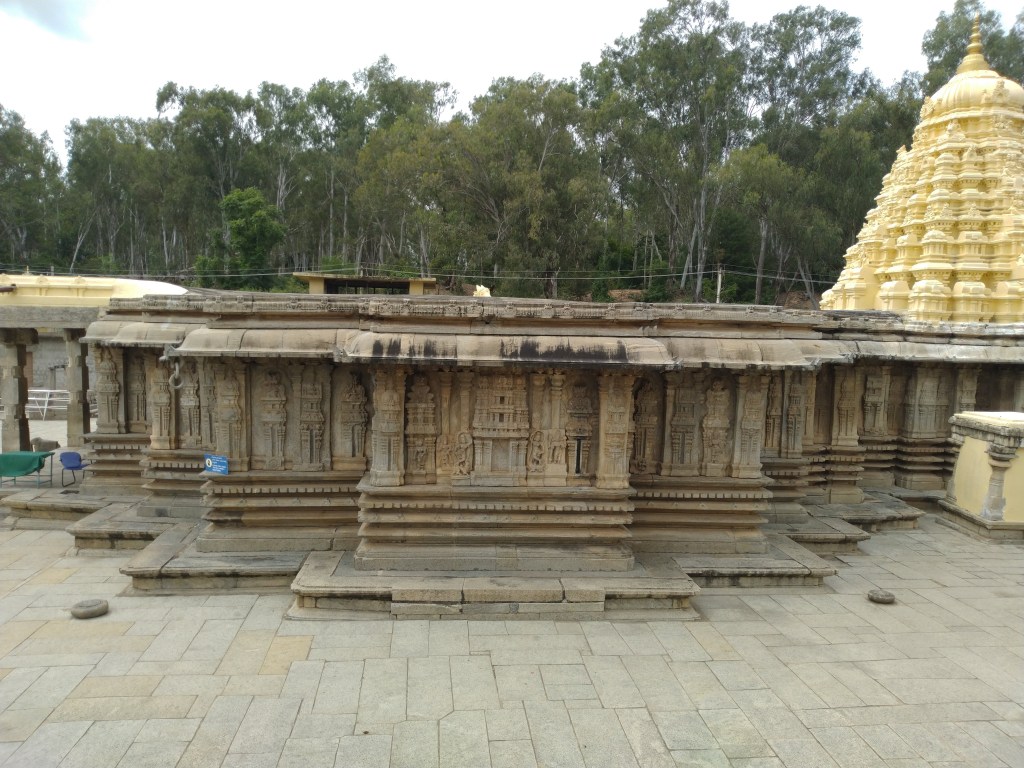
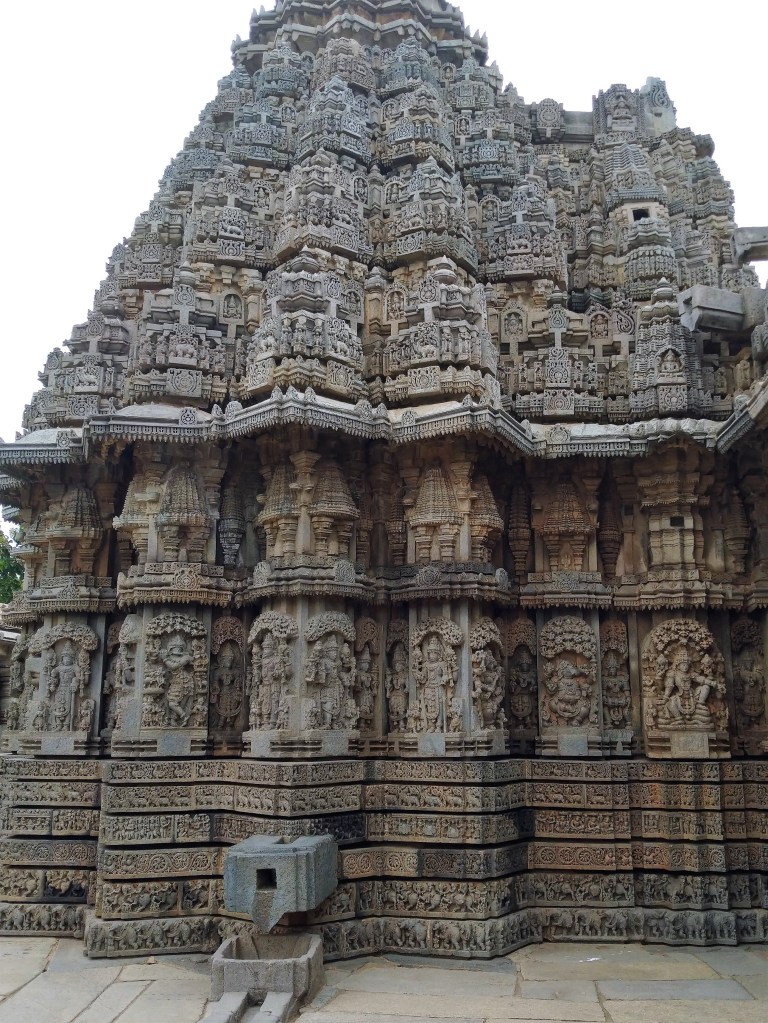
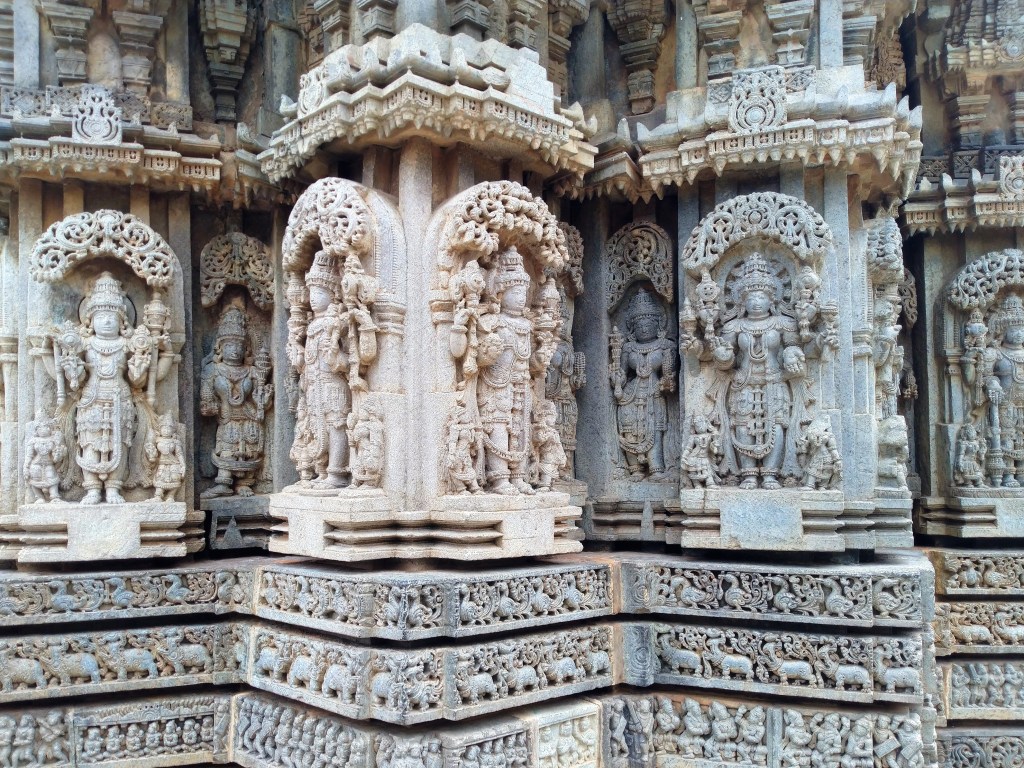
Next visited one of the famous Hoysala temples at Somanathapura – the Chennakeshava temple. A temple with three garbhagruhas, one in the centre two on its sides under a single roof. Called trikuta temple. It is about eight hundred years old temple. The main deity is Keshava Swaroop and the one on the north-south axis has Janardhana and Venugopala Swaroop. Some of the typical Hoysala temple styles seen are – Large high-walled area with shaded corridors all along the wall, a raised star shaped platform on which the temple is built, interlocking mechanism for joining separately built stone carvings, Intricate carvings on stone with fine details, platform star corners aligning with corners of the temple superstructure, carved or lathed pillars, the dwarpals, nicely carved roof panels. On the external wall above the raised platforms are the lower rows of carvings of elephants, cavalry men, makara carvings, Flowers, Birds, and other carvings. Above these are the carving/reliefs of gods under an equally intricately carved “umbrella” like structure followed by other superbly and minutely carved stone right till the top of temple structure. Names of architects and artists are carved below some of the reliefs.
The temple interiors were being cleaned and polished to make it ready for a UNESCO world heritage site approval. Hope they get it soon. Few images below.



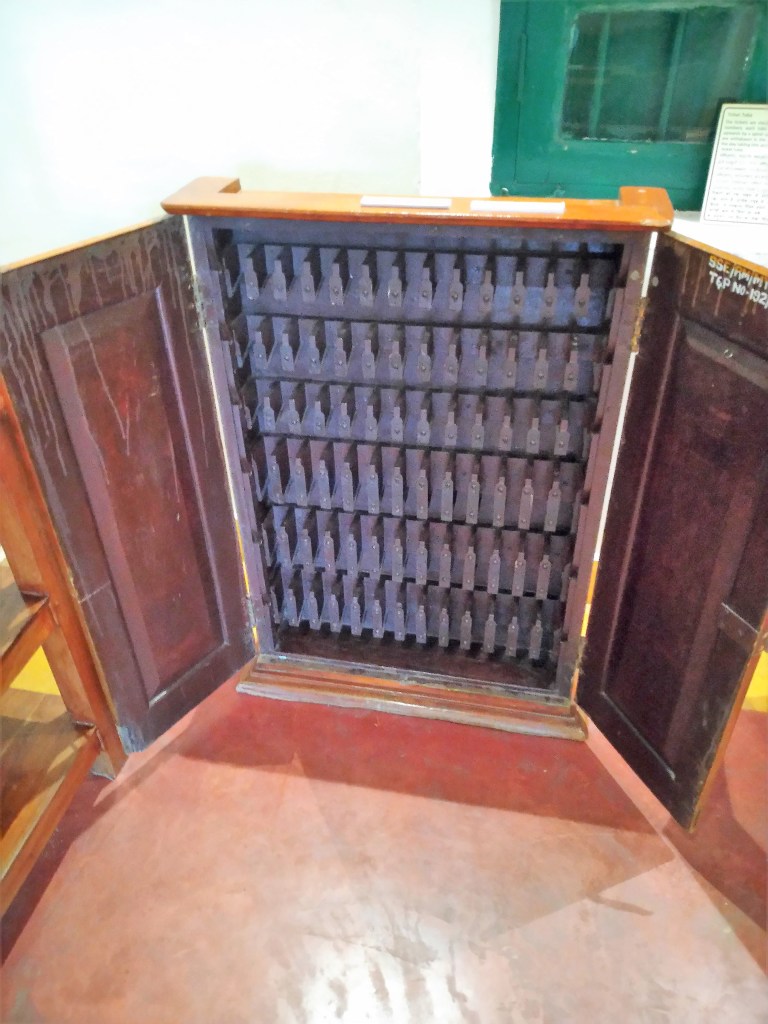
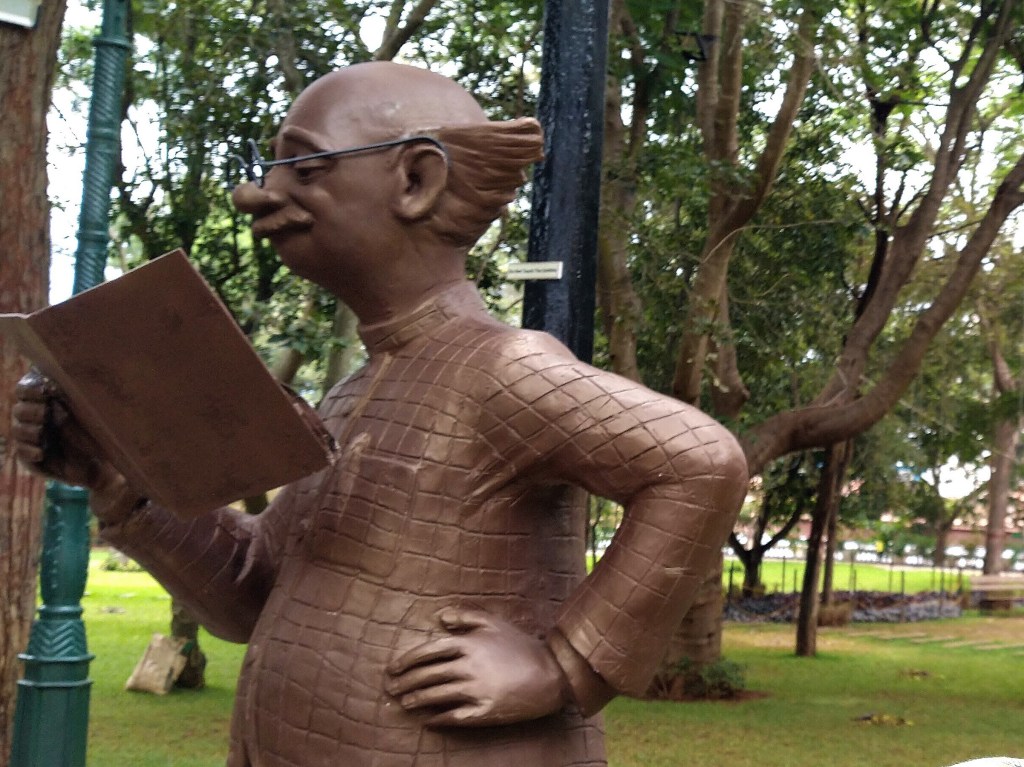
Next, we moved on to Mysore. Saw the rail museum with nostalgic rail ticket storage and date imprinting systems. Also saw the “common man” statue.

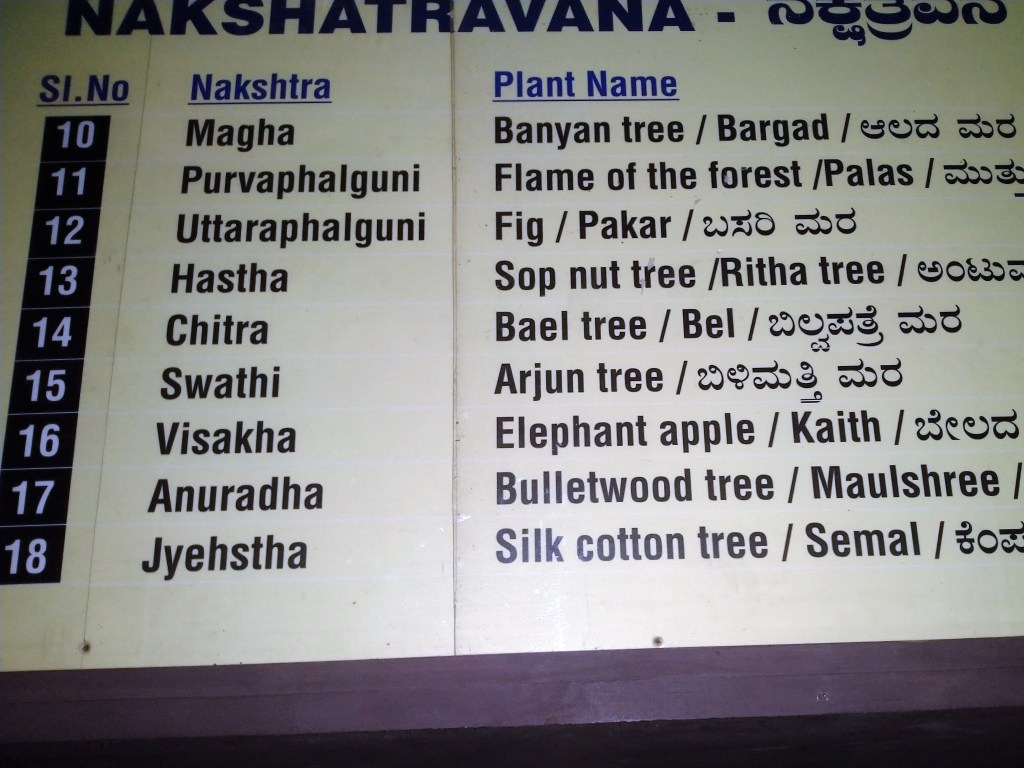
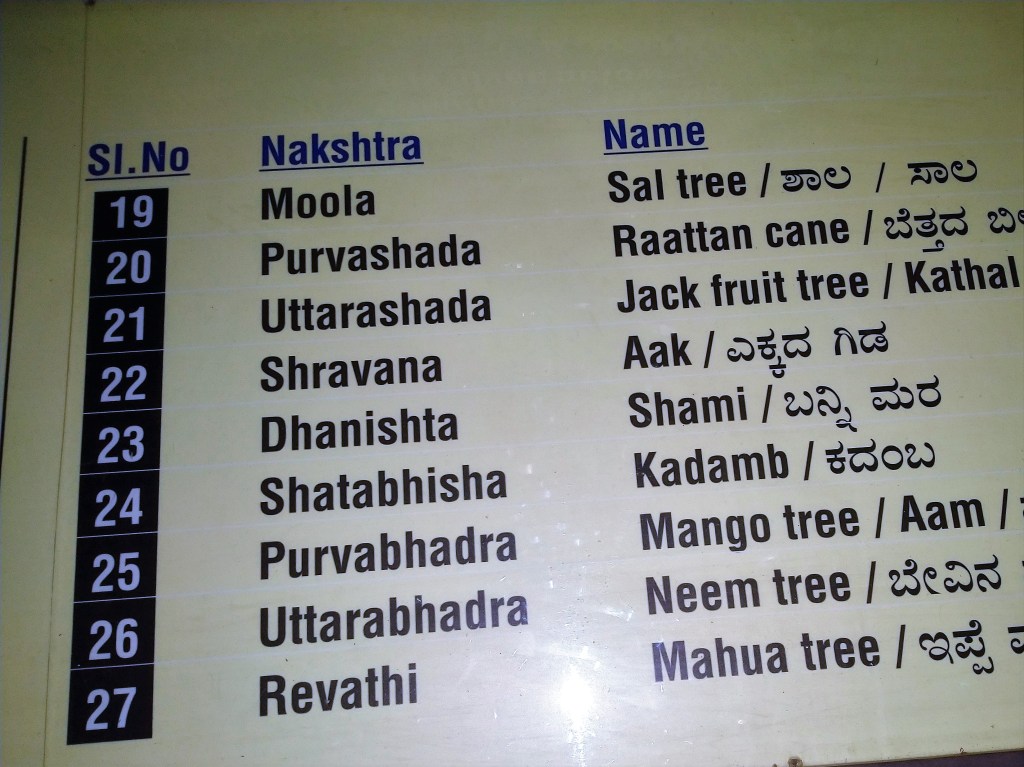
Also did visit the Museum of Natural History. Saw this panel… trees associated with each Nakshtra.

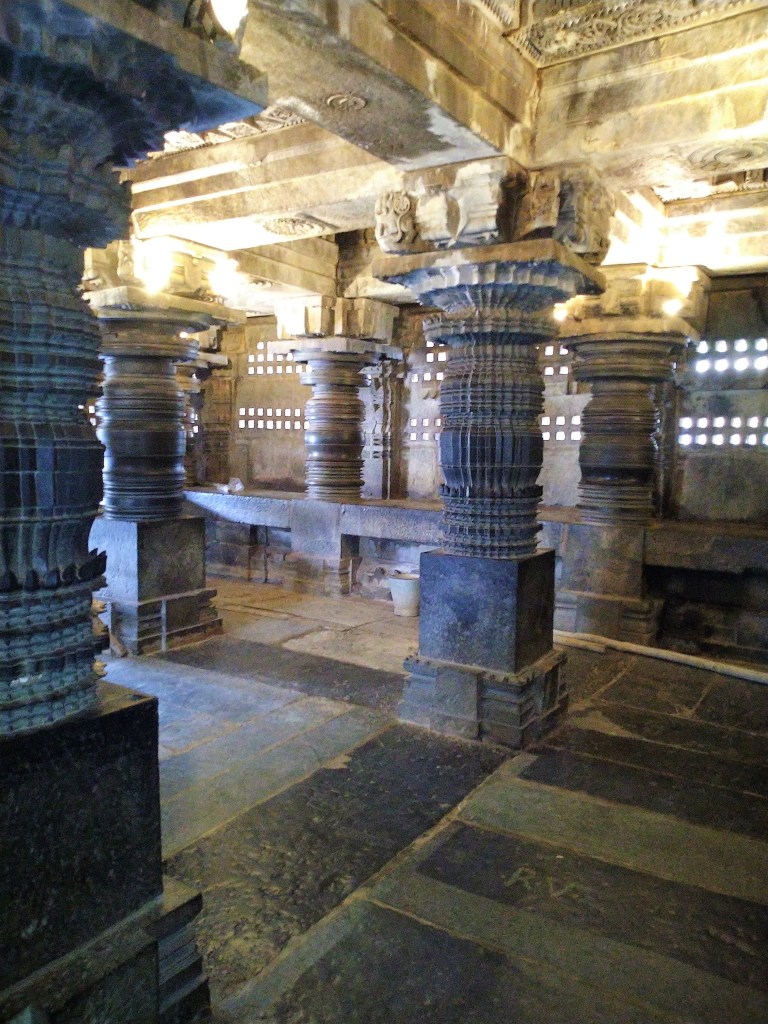
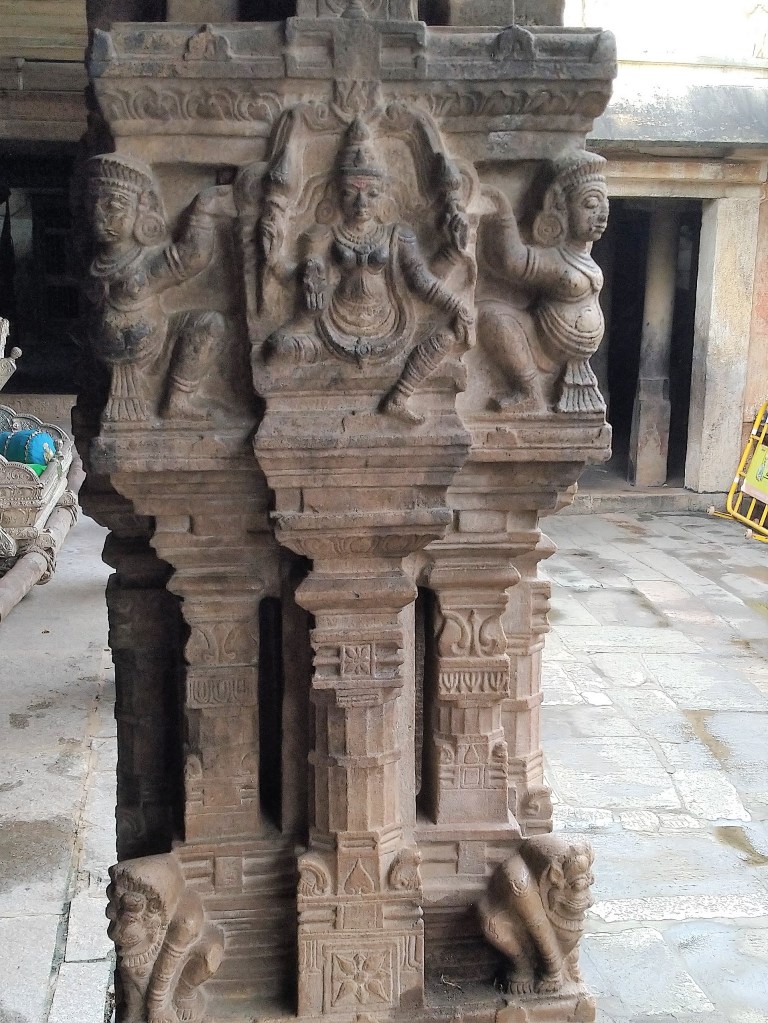
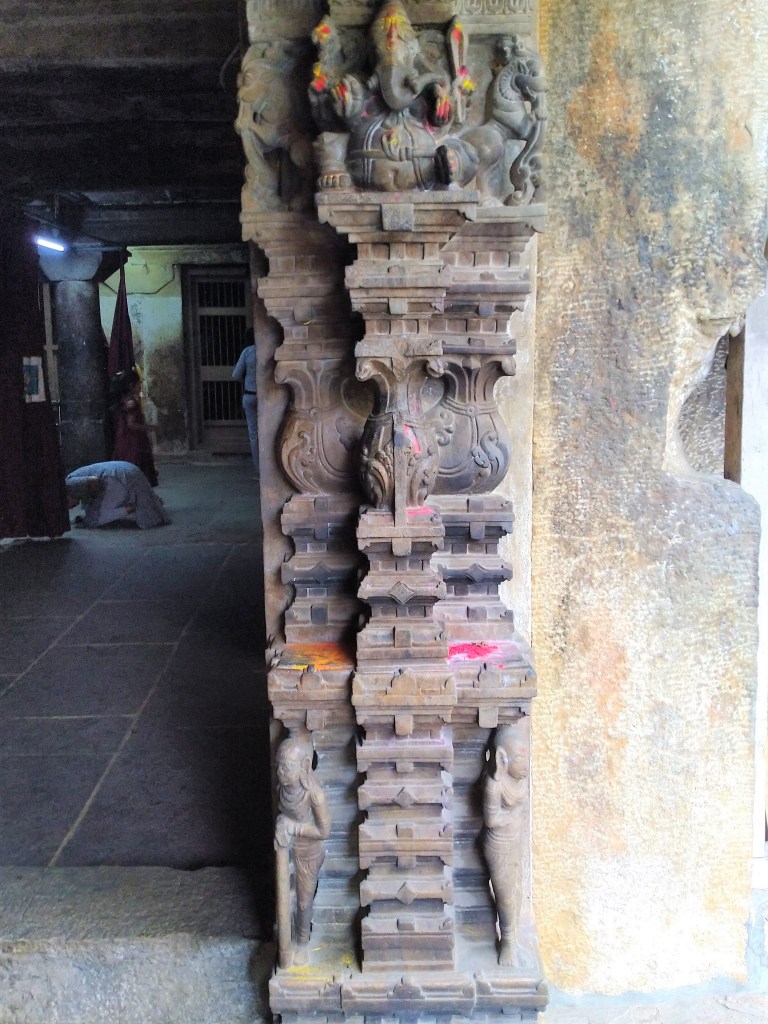
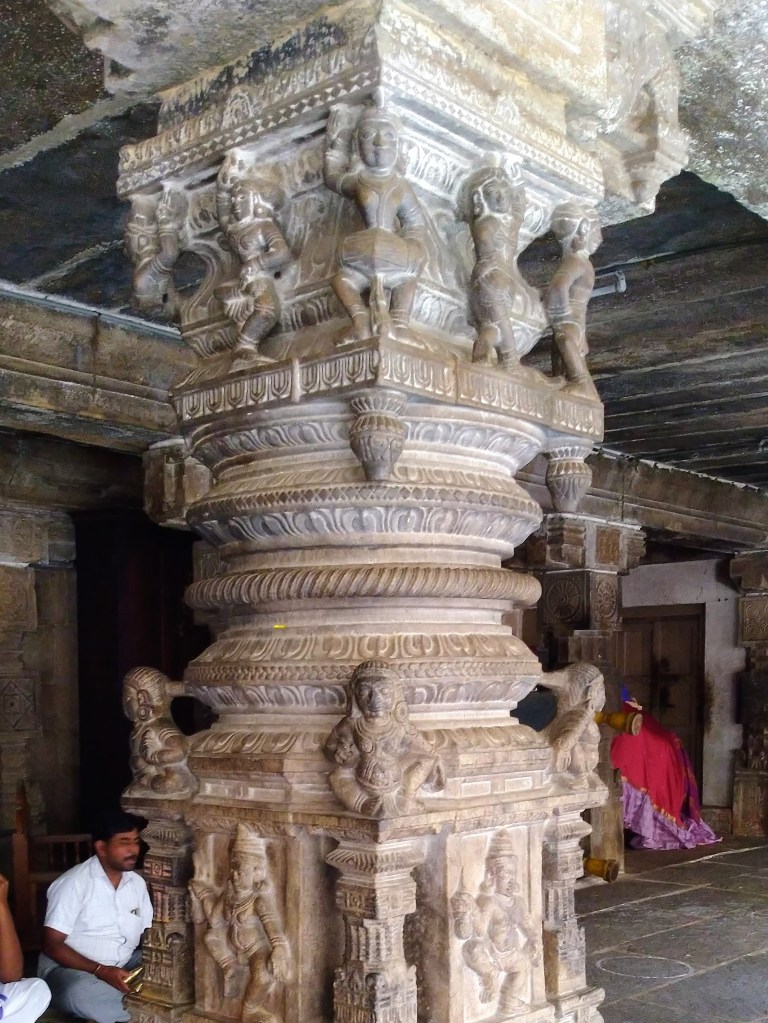
Moved to Melukote. Visited the Cheluva Narayana Swamy Temple. Wonderful stone carvings all around including on multi columned pillars. Claimed to a 1000-year-old temple patronized by the Wodeyars who have gifted two gold crowns to the temple. Also visited the Yoga Narasimha swamy temple at the top of the hill at a height of 1800 meters. Quite a steep climb. Also saw the Pushkarni, the pond at the bottom of the hill and a spot for quite a few Kanada/south movie shoots. Images below.
Images the different types of pillars in Cheluva Narayana Swamy temple.



The Yoga Narasimha temple with Puskarni lake.

And the south indian movie shooting area.


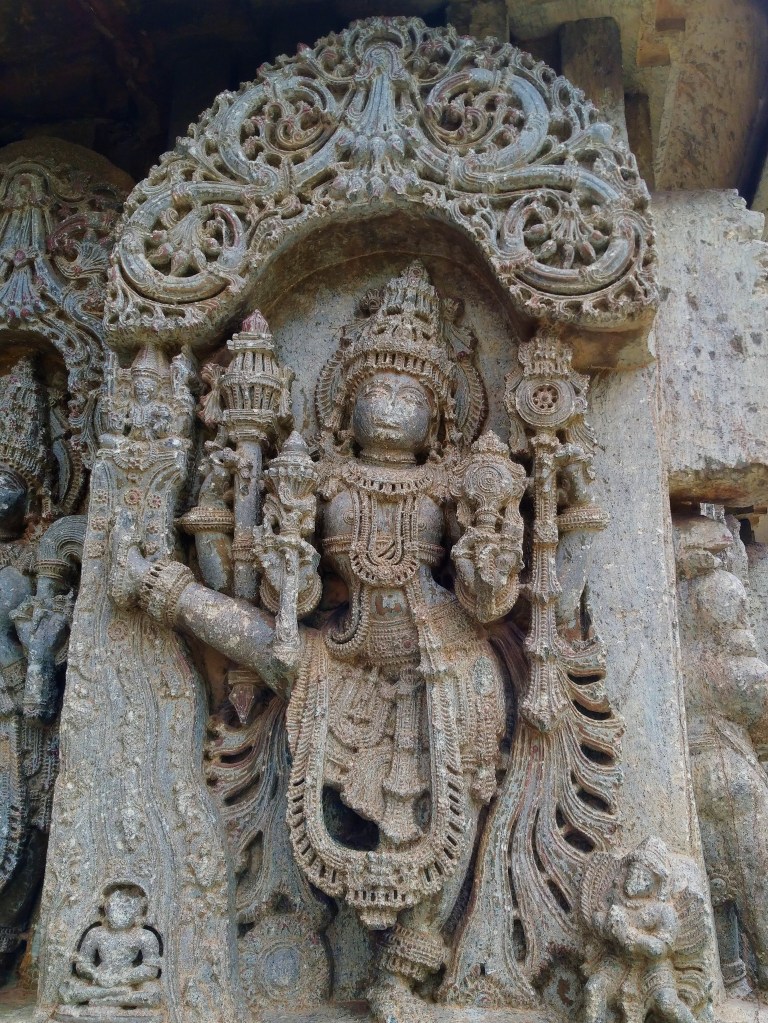
Next to Hosaholalu. The Lakshmi Narayana temple. A temple maintained by ASI. Slightly different in sense that it had a flat roofed structure before the actual temple structure. Another example of all the typical Hoysala temple traits. Temple itself had wonderful carvings on statues. About eight hundred years old. Pictures below.


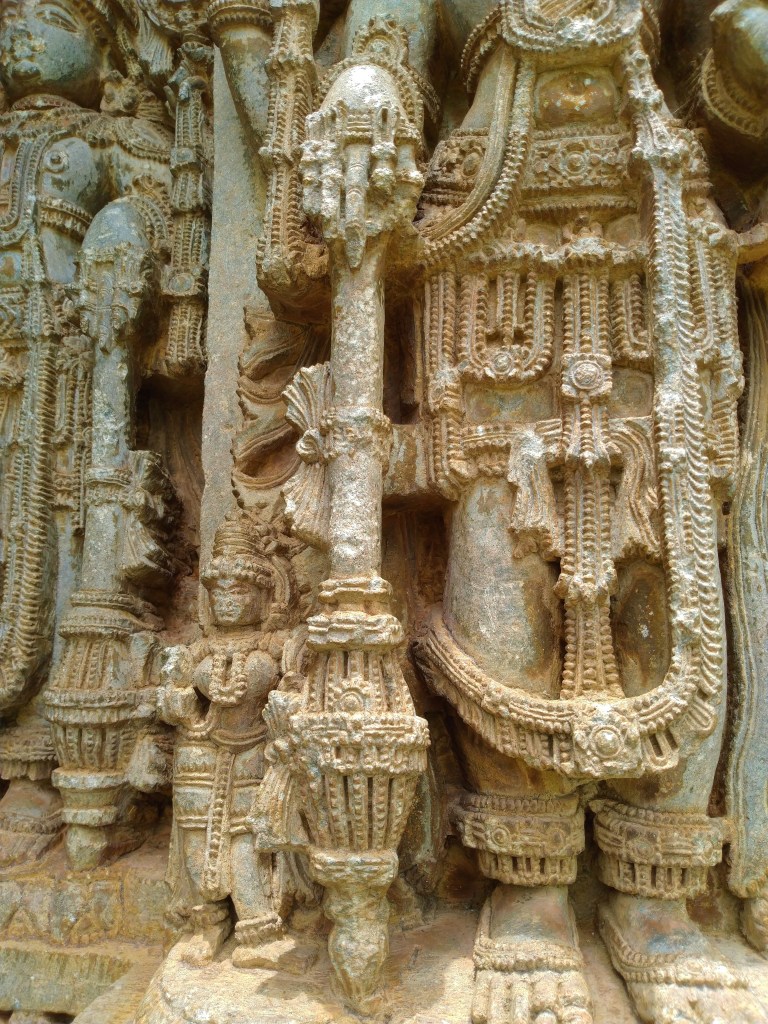


Next to the Panchalingeshwara temple at Govindanahalli. Five temples in one complex. Maintained by ASI. Two separate entrances. Five identical structures that one can see from the rear view. Each of the five garbhagruha had a different Shivalinga shape. Pictures below.
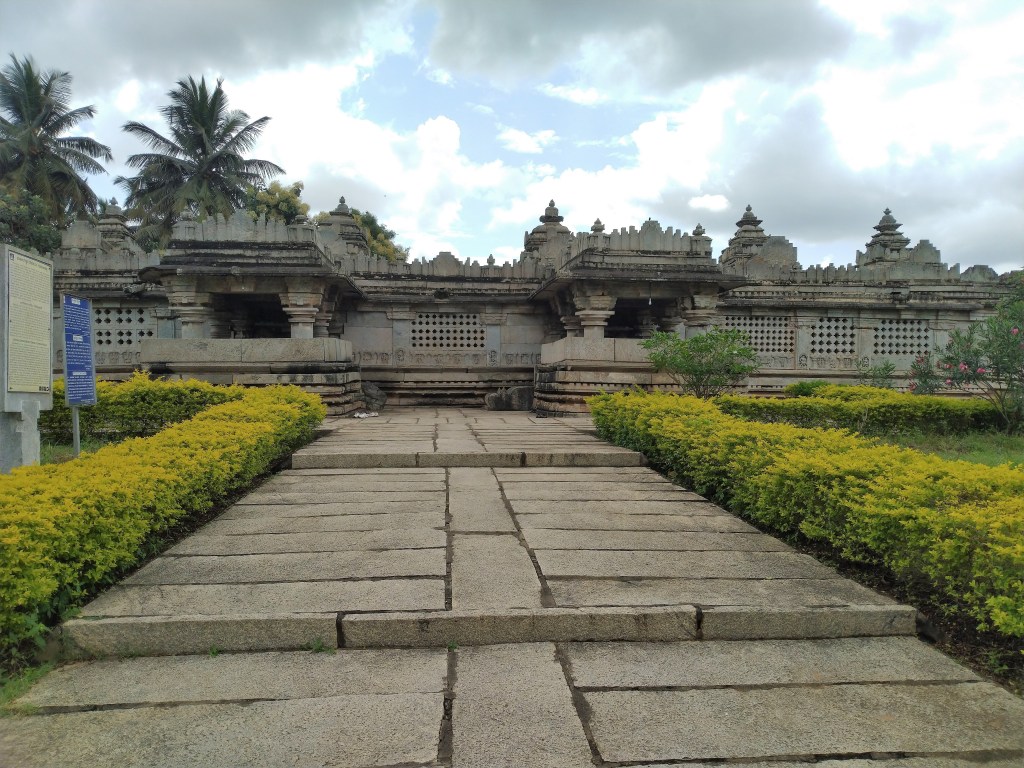
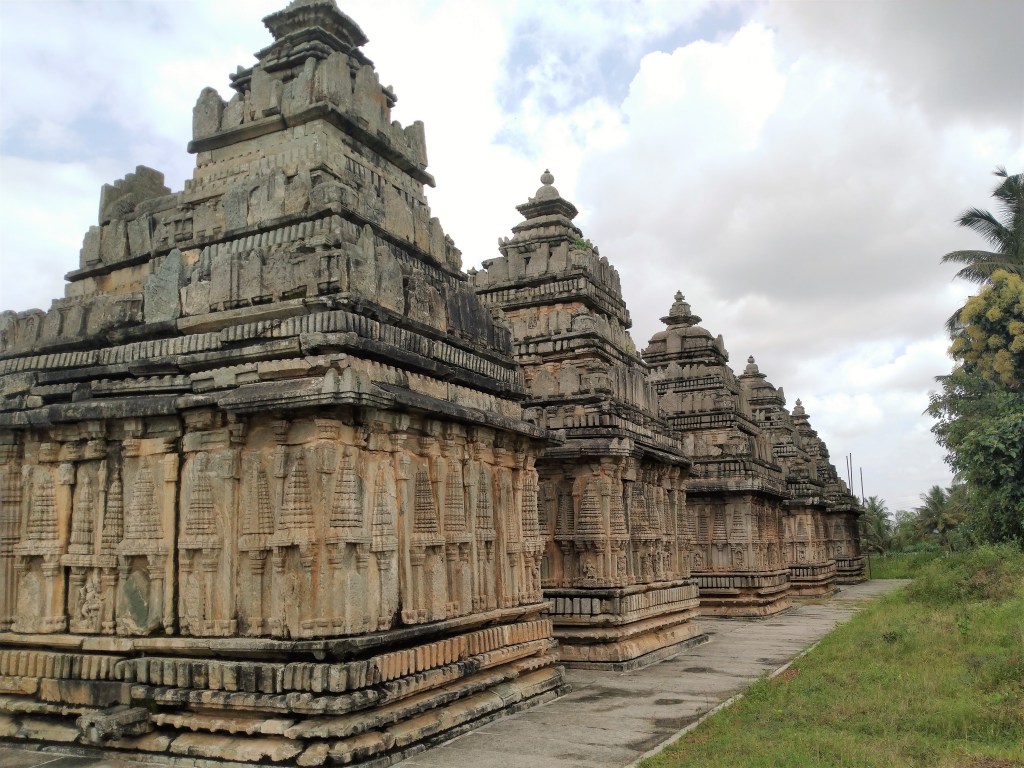
Stayed at Hassan overnight, and them visited the Srilakshmi Temple in small village of Doddagaddavali. Appeared older of the Hoysala temples. Very few intricate worked idols, but still the Hoysala stamp could be seen. Maintained by ASI and more than eight hundred years old. One of the rare Hoysala temples dedicated to a goddess. Few pictures below.

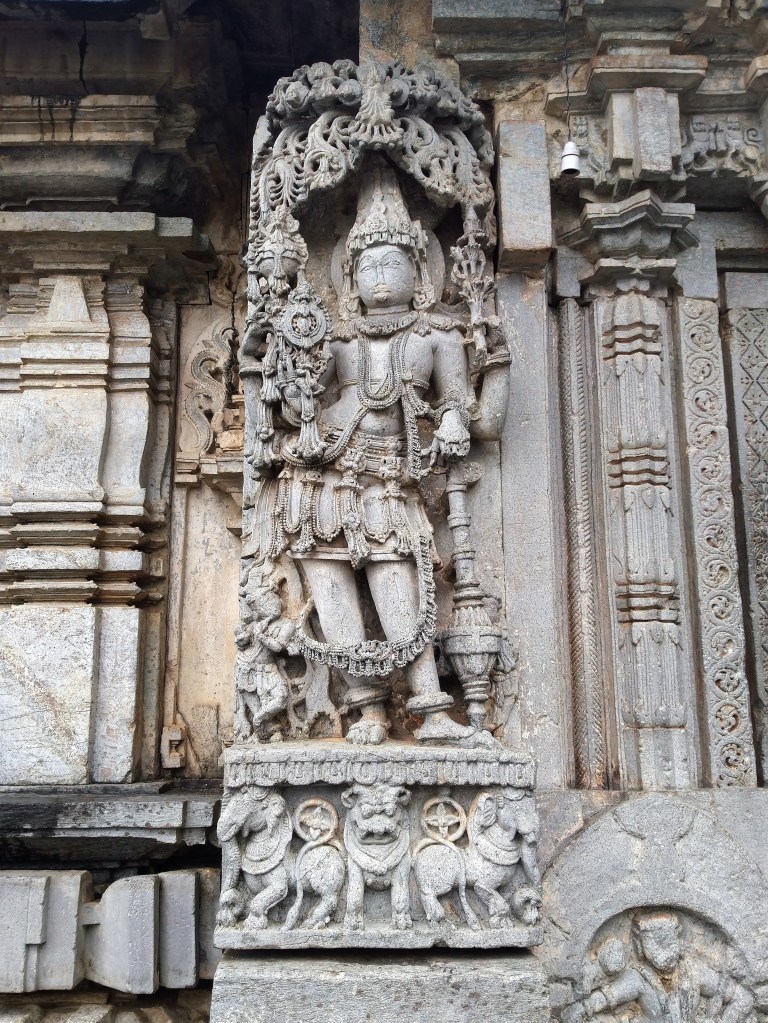


Next to Veeranarayana temple at Belavadi. One of the large temple structures in a small town. Not as famous as Belur and Halibeedu. Trikuta temple with main shrine for Veeranarayana. The other two shrines belong to Krishna and Yoga Narasimha. I am sure anybody who has seen a few pictures of old temples of Karnataka must have seen the picture of this temple. Pictures below.

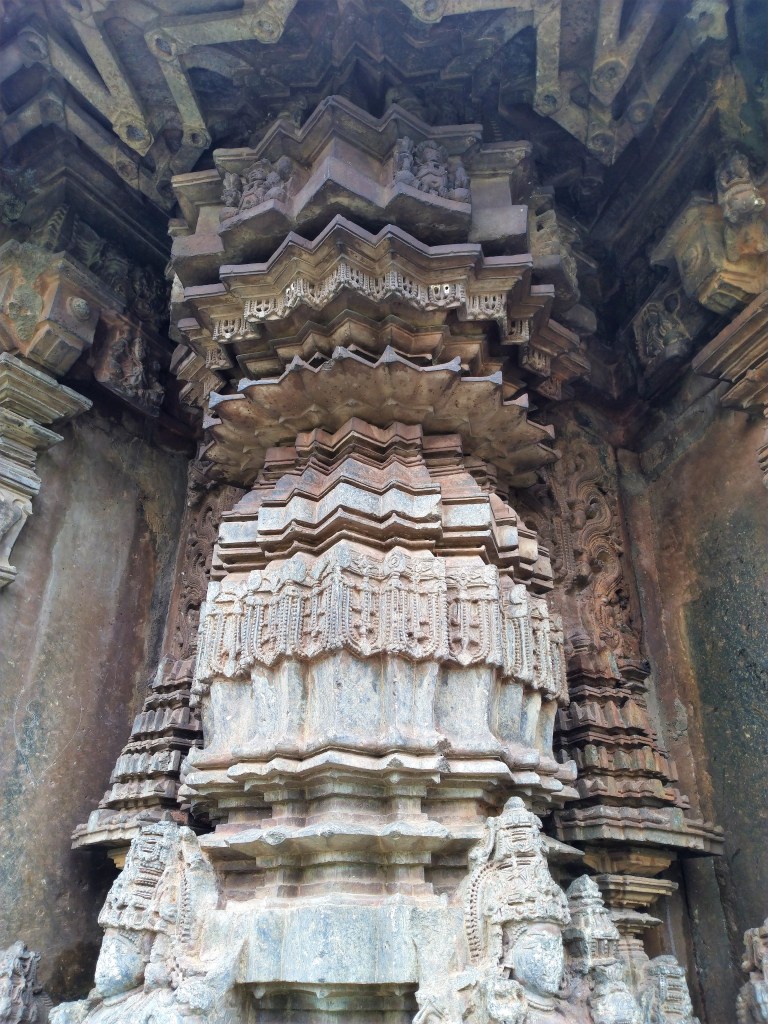
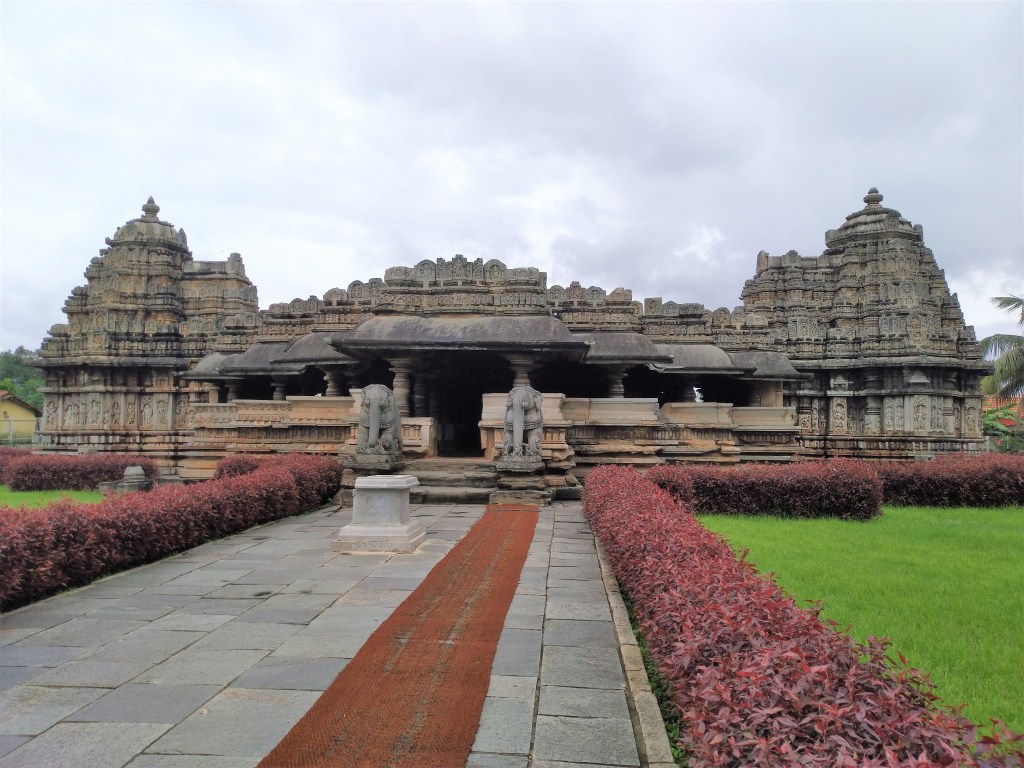
Next visited the Ishvara temple in Arisikere. A 800-year-old Hoysala temple dedicated to Shiva. What is unique is a large domed mandapam outside the main temple. Images below.

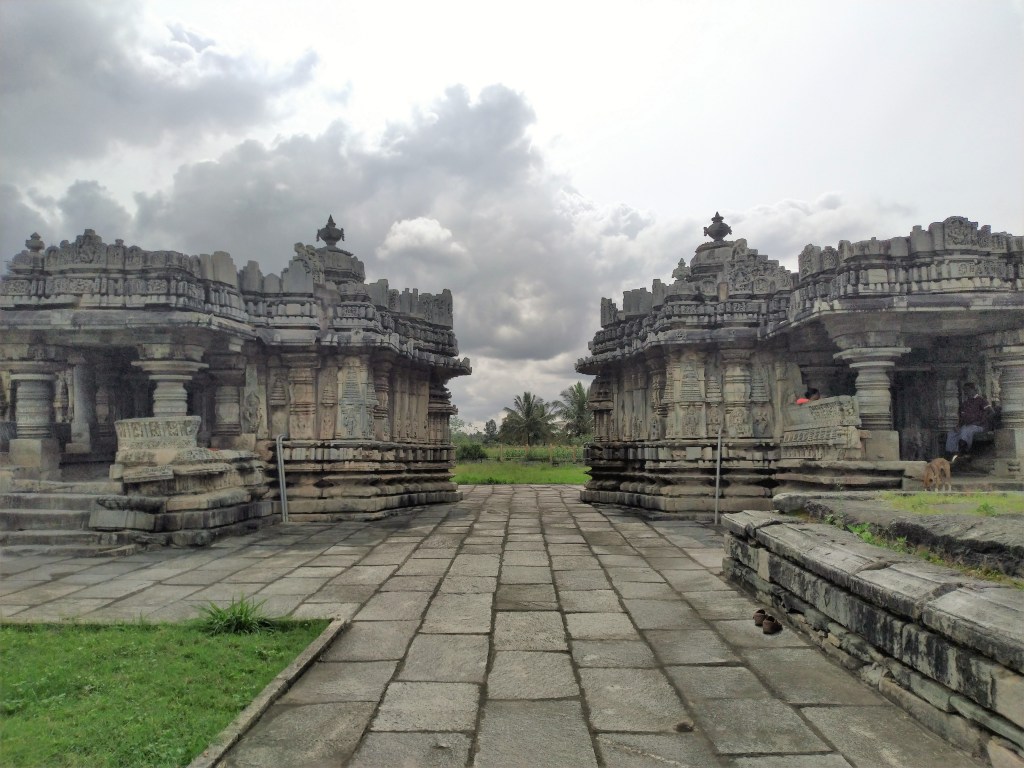
Next visited Mosale. A Chennakeshava and a Nageswara temples side-by-side in the same complex. Rare sight. Hoysala temple. 800-year-old temple maintained by ASI. Few images below.
Stayed overnight at Hassan and visited the Manjarabad Fort. A star shaped fort on a hill built by Tipu Sultan. It is 350 steps climb to get to the top of the fort from the approach road. The 8-pointed star shape fort has a watch room on each of the start point. Has a dungeon and a underground store too. Excellent location to keep eyes on surrounding areas. Few images below.
Saw evolution of the Hoysala temples in the tour starting from Sri Laxmi temple, claimed, and appeared to be the oldest to Keshava temple at Somnathapura which appeared to be the latest chronologically. Off course Hoysala temples in Belur must have been built at a much later date.
While Hoysala kings were all Vaishnavas and built a lot of temples Vishnu temples, they also built on older Shiva temples built by Ganga and Chola dynasties, like the Panchalingeshwara, temples at Talakadu….
We also saw how experiments in older temples were put to better uses for adornment in later ones. The Hoysala template on the outer wall of the temple was not seen in earlier temples – Whether destroyed and not rebuilt by ASI… not sure.
A lot of temples dedicated to Lord Narasimha too. In Lakshmi Narasimha, yoga Narasimha, Ugra Narasimha Swaroops.
Also saw a temple dedicated to Varaha avatar, unfortunately was closed when we reached. Saw idols of Matsya, Vaman, Kurma avatars on the periphery of temples, but no dedicated temple.
Overall interesting study on Hoysala temples.
 sunilmatange.in
Leave a comment